Health Tips

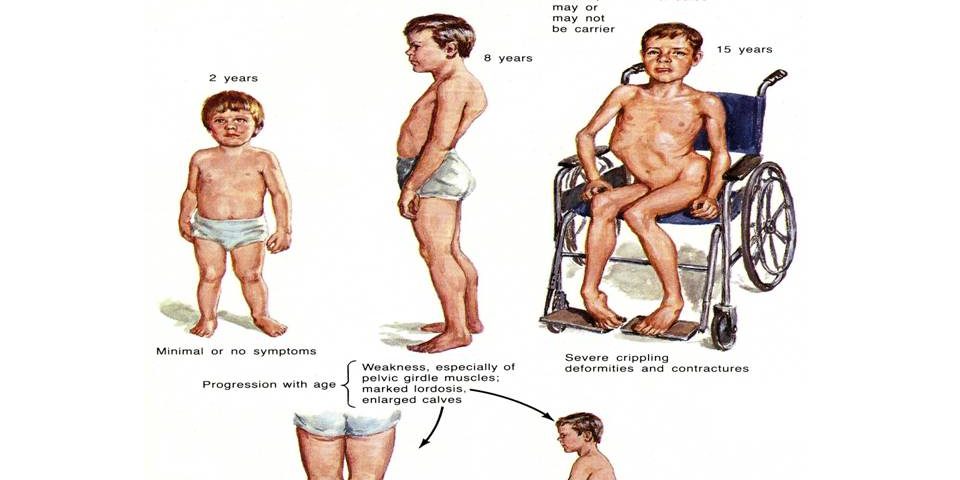
Muscular Dystrophy

A group of genetic diseases that cause progressive weakness and loss of muscle mass. In muscular dystrophies, abnormal genes (mutation) lead to muscle degeneration. Most forms begin in childhood.  Symptoms of Muscular Dystrophy Damaged muscles become progressively weaker. Most people who have the condition eventually need a wheelchair. Other symptoms include trouble breathing or swallowing. […]

Muscular Dystrophy Read More »

Osteoarthritis

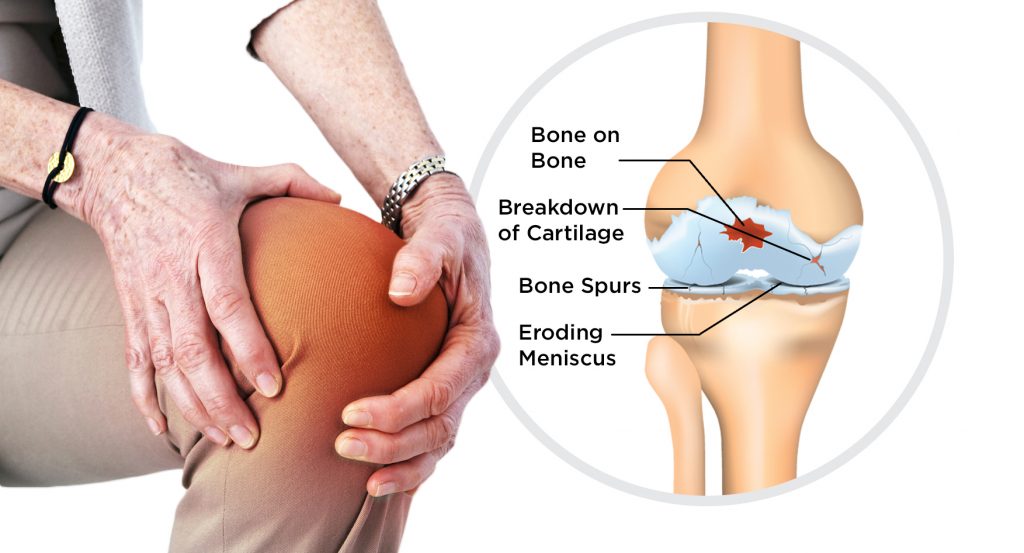
Osteoarthritis, commonly known as wear and tear arthritis, is the most common type of arthritis. It is associated with a breakdown of cartilage in joints and can occur in almost any joint in the body. It commonly occurs in the weight-bearing joints of the hips, knees, and spine. It also affects the fingers, thumb, neck,

Osteoarthritis Read More »

Endometriosis

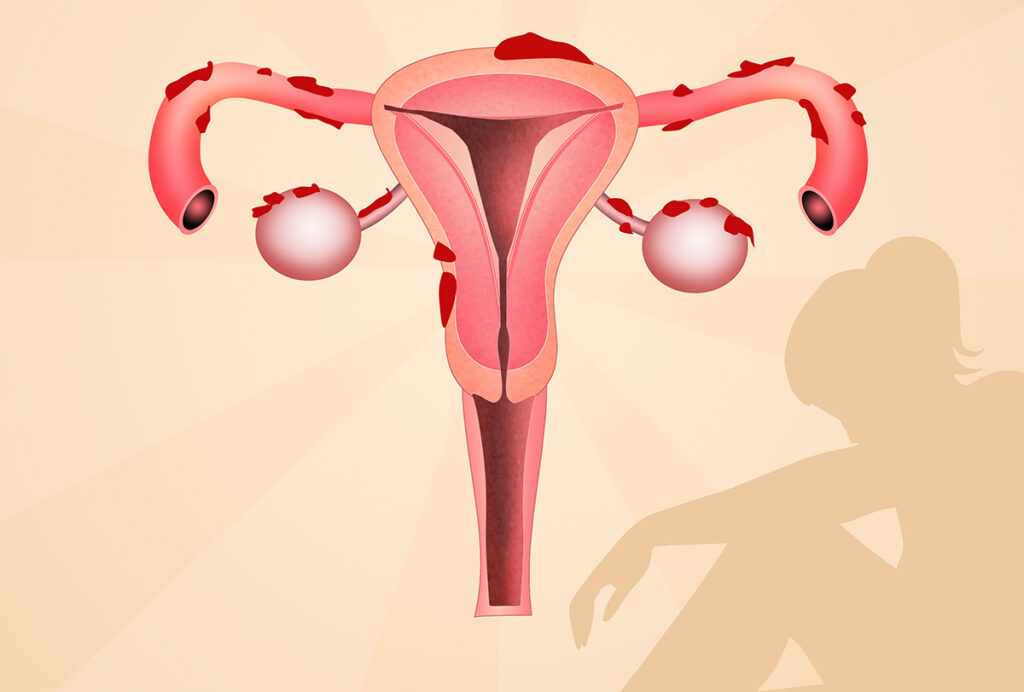
A disorder in which tissue that normally lines the uterus grows outside the uterus. With endometriosis, the tissue can be found on the ovaries, fallopian tubes, or intestines. Symptoms Some of the symptoms include pain in the lower abdomen, lower back, pelvis, rectum, or vagina, pain during sexual intercourse or while defecating, abnormal menstruation, heavy

Endometriosis Read More »

Mouth Ulcer

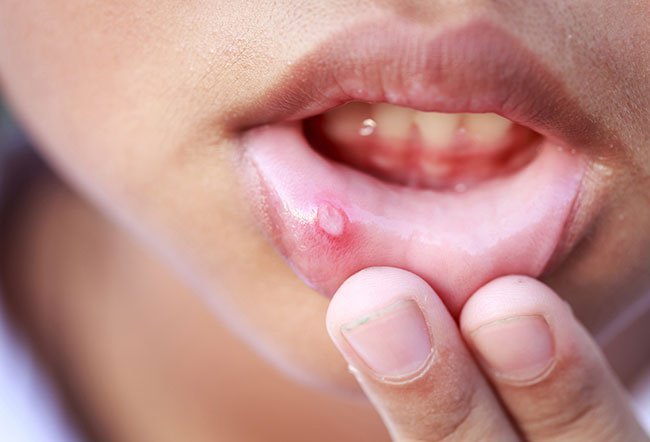
It is one or more painful sores on the inner lips, gums, tongue, roof of the mouth, or throat that may interfere with eating such as a canker sore. Causes of mouth ulcer Mouth ulcers can have causes that are not due to underlying disease. Examples include canker sores, burns, biting the tongue or cheeks,

Mouth Ulcer Read More »

Halitosis

It is a persistent, unpleasant odor in exhaled breath usually called “bad breath”. Common causes Bad breath can have causes that are not due to underlying diseases. Examples include poor dental hygiene, dehydration or recently eating certain foods like onions or garlic. Seeking medical care See a doctor if you Self – Treatment Brushing teeth

Halitosis Read More »

Sickle Cell Anemia

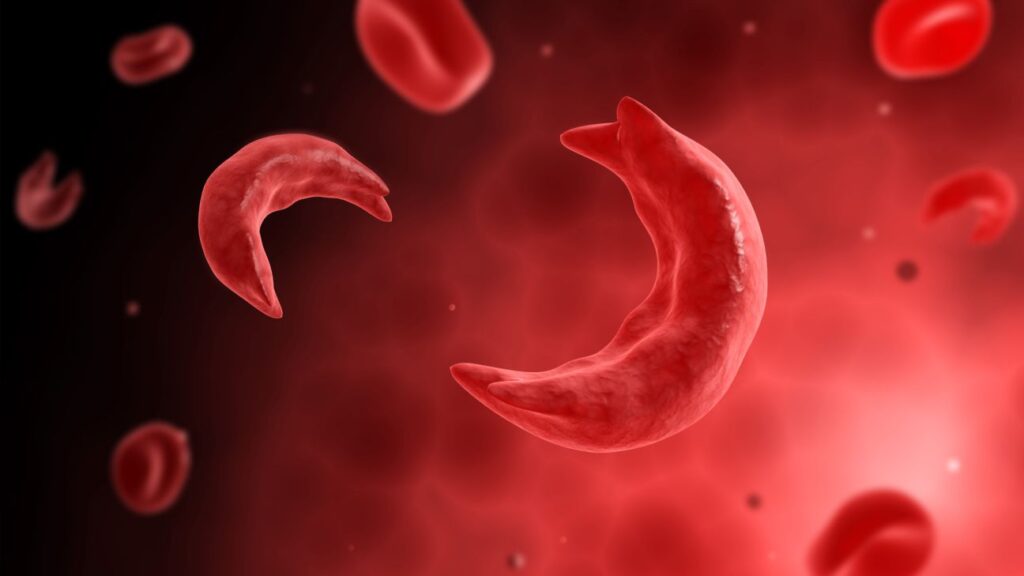
Sickle cell anemia or sickle cell disease (SCD) is a genetic disease of the red blood cells (RBCs). Normally, RBCs are shaped like discs, which gives them the flexibility to travel through even the smallest blood vessels. However, with this disease, the RBCs have an abnormal crescent shape resembling a sickle. This makes them sticky,

Sickle Cell Anemia Read More »

Scroll to Top